How Audiences Power Media Activation
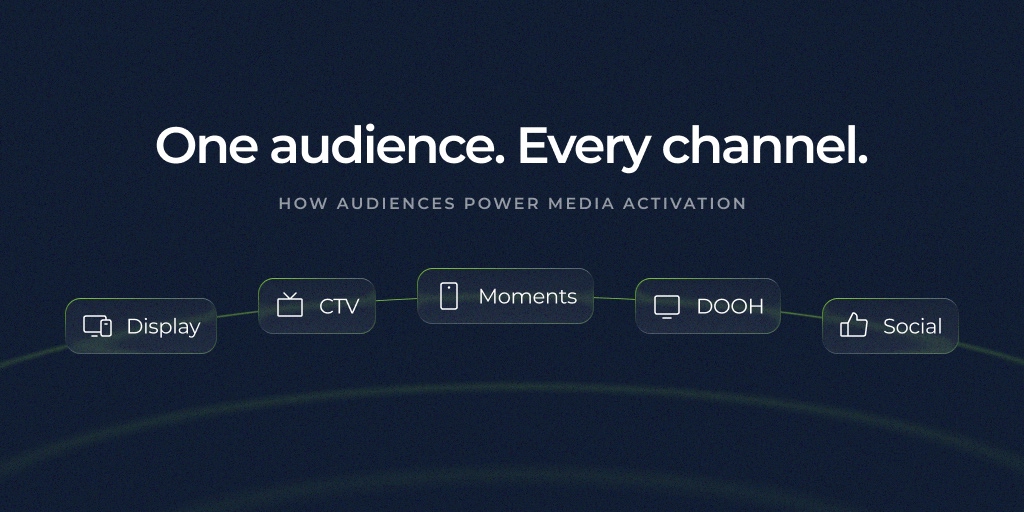
Every campaign starts with a decision about who
Whatever the goal, media performs when it reaches the people most likely to respond, and that starts with knowing who they are. Get it wrong, and even well-run media spends its budget on people who were never going to buy. Get it right, and everything downstream has a better chance of working.
That is why audiences have moved from a line item in the media plan to the part of the plan everyone wants to talk about. To see why, let’s start with where audience data comes from.
Where audience data comes from
An audience is only as good as the signals behind it, and the strongest ones come from two places that each tell half the story: location data and purchase data.
Location data shows where people go. A pattern of visits says a lot: which retailers someone favors, how often they shop, and when the next trip is likely to happen.
Purchase data shows what people buy, down to the item level. This deepens the understanding of a consumer by tying them to the specific products and brands they purchase, not just the stores they walk into.
On its own, each source has blind spots. A visit doesn’t say what went into the basket, and a basket doesn’t say what prompted the trip. Combined and anonymized, these two datasets describe a shopper in far more depth than either can alone. It’s the foundation of how we build audiences at InMarket. As Blaine Britton, GM of InMarket Audiences, puts it:
InMarket is not just purchase data, not just location data. It’s the intersection of purchase and location. By having that, you have multiple sources to verify that signal is not just a one-off.
Why audiences are taking center stage
The pressure on media budgets has changed. Advertisers are expected to show what outcomes a campaign actually produced, and impressions delivered no longer count as an answer. As the question shifts to, “What outcomes did this campaign drive that wouldn’t have happened anyway?”, the first place to look is audience quality. If the audience targeted was already headed to the store, the campaign gets credit for sales it didn’t create.
There is also a practical shift. As identifiers erode and walled gardens limit what advertisers can see, buyers want audience data they can trust and understand: where it came from, how it was built, and whether it reflects real shopping behavior.
Why better audiences mean better media activation
Buyers now have more places to spend than ever, from connected TV and digital out-of-home to social, display, and retail media. More options make it easier to reach people, but harder to reach the right ones. Channels differ, formats differ, and the audience is the one piece that can stay consistent across them all.
That consistency is what makes an audience work in media activation. When spend reaches the right consumers likely to act, less of it is wasted. A sharper audience raises the value of every impression in the plan without adding a dollar to it, and it gives brands, agencies, and buyers one thread to follow from channel to channel. It also raises the standard everyone is held to: audiences that can be explained and measured set a higher bar than audiences that have to be taken on faith.
That clarity matters when budgets come up for review. A clear account of who was reached, why, and the measurable outcomes driven, makes the next plan easier to defend and the next audience easier to choose.
Looking ahead
Before the next plan is locked, one question deserves to come ahead of channel and format: who is this for, and how will we know it worked? Audience data with a clear source, activated across the channels where your buyers spend time and measured against real outcomes, gives every other decision in the plan something solid to stand on. Without it, the rest of the plan is guessing with a bigger budget.
That’s the question InMarket is built around. Our audiences start with what shoppers actually buy and where they go, and we activate them across the media they use, with measurement tied to real outcomes. As you plan for 2027, tell us who you want to reach. We’ll show you how we’d find them and measure what they do next. Talk to our team.